

Guides
September 8, 202610 min read
Why Use a Behavioral Health Consultant Before You Launch
Your first launch decision is not a logo or a lease.
PVC
Pacific Viking ConsultingAdvisory built for owners, investors, and executives who need clear decisions on growth, operations, and capital, not generic playbooks.
Pacific Viking Consulting
Editorial Team

Advisory built for owners, investors, and executives who need clear decisions on growth, operations, and capital, not generic playbooks.
Growth stalls rarely start with a bad product. They start when hiring, pricing, cash timing, and board expectations stop moving in the same direction, and leadership has no shared map for the next quarter.
Pacific Viking Consulting works with owners, investors, and executive teams who need small business consulting that produces decisions, not slide decks. You already know your market. What you need is a clear read on where the business is stuck and what to change first.
Small business consulting is outside advisory on strategy, operations, finance, and people systems so leadership can act with fewer blind spots. We focus on the work that sits between day-to-day management and formal board oversight.
That usually means clarifying unit economics, tightening operating cadence, pressure-testing growth plans before capital goes out the door, and giving investors a cleaner view of risk. The U.S. Small Business Administration frames planning, capital access, and management skill as drivers of firm survival. We treat those same levers as the working agenda, not background theory.
You will not get a one-size playbook. You get a scoped engagement tied to a specific decision. Expand, hold, restructure, hire, or exit a line of business.
Bring advisors in when internal debate has stopped producing movement. Common triggers include a capital raise that needs a sharper story, a P&L that looks healthy until cash conversion is examined, or a leadership team that outgrew its original operating model. Owners also call when they are about to open a second location and want an external read first.
Investors often engage us when portfolio companies hit the messy middle. Revenue is real. Systems are thin. Founders still carry work that should sit with managers. Owners engage us when they want an external read before they bet the next hire cycle.
Free and low-cost mentoring networks such as SCORE help many early-stage operators. Paid small business consulting fits a different stage. You need someone accountable to a defined scope, willing to challenge assumptions, and comfortable in the room with both management and capital partners.
If the same issue has appeared in three consecutive leadership meetings with no owner and no deadline, you already have a consulting problem, not a motivation problem.
At Pacific Viking Consulting we start with the one decision you need to make, then reverse-engineer the analysis. That keeps the work short and useful. Discovery covers four inputs: financials, operating metrics, org design, and the constraints you will not bend, including ownership goals, investor covenants, and risk tolerance.
Next we map the gaps between stated strategy and how work actually moves through the company. Pricing may look strong while fulfillment burns margin. Headcount may look lean while decision rights stay unclear. We name those gaps in plain language so owners and investors can agree on priority.
Delivery is hands-on with your leadership group. We facilitate the hard tradeoffs, document the operating choices, and leave you with a plan your managers can run without us in the room. If you need ongoing advisory after the initial scope, we define that as a separate engagement with clear check-ins. Details on how we work live at https://pacificvikingconsulting.com.
Judge a firm on fit to your decision, not on brand polish. Ask who will do the work, how they handle disagreement with the founder, and what artifacts you keep when the engagement ends. Demand a written scope with outcomes you can verify.
Check whether the advisor has sat on both sides of the table: operator pressure and investor scrutiny. Small companies fail more often from weak management systems than from a single bad quarter, a pattern the Bureau of Labor Statistics business employment dynamics data has long reflected in establishment openings and closings. Your partner should speak fluently about cash, capacity, and control. Vision talk without those three is noise.
Price matters. So does opportunity cost. A cheaper proposal that leaves ownership still arguing about priorities is expensive. We would rather decline a poor-fit project than stretch a scope that cannot move the needle for your team.
You are ready when leadership can name the decision and accept that an outsider will challenge sacred cows. You are not ready if the real goal is validation of a plan no one will change.
Other readiness signals include clean enough books to analyze, a sponsor with authority (owner, CEO, or lead investor), and a window of time before the next capital event or hiring wave. Without those three conditions, advice sits on a shelf.
If you are still forming the company and need basic structure, start with public resources from the SBA’s business guide. If you already run a going concern and need sharper advisory on growth, operations, or investor communication, that is the lane Pacific Viking Consulting serves.
“The right advisor shortens the distance between a messy fact set and a decision your board can stand behind.”
Fees track scope, urgency, and how much access leadership can give. Fixed-fee projects suit a defined decision. Retainer-style advisory suits ongoing board or operator support. We price after we understand the decision, the data available, and who must be in the room.
Consulting diagnoses and recommends with a scoped end point. Coaching develops a leader’s skills over time. Fractional executives own a function inside the org chart. We stay on the advisory side unless a separate agreement defines operating authority.
Yes. Investors engage us for portfolio company reviews, diligence support on operating claims, and post-investment operating clarity. Founders engage us when they want an independent view before they present to capital partners. The work stays transparent to whoever holds the engagement contract.
Most decision-focused projects run in weeks, not open-ended months. Longer advisory relationships exist when leadership wants a recurring outside voice on metrics and priorities. Duration is set in the statement of work before we start.
Bring recent financials, your current org chart, the top three decisions on the table, and any investor or lender constraints that bound those decisions. The cleaner the inputs, the faster we can tell you whether we are the right fit.
Reach out when you want a clear read on the next decision.
Contact Us: https://pacificvikingconsulting.com/contact-us
About the Author
In This Article
Tags
Your first launch decision is not a logo or a lease.

You do not need another brochure about addiction treatment.

The person you pick to open a licensed program sets every permit, hire, and payer conversation that follows.

Investors and owners need more than titles on an org chart.
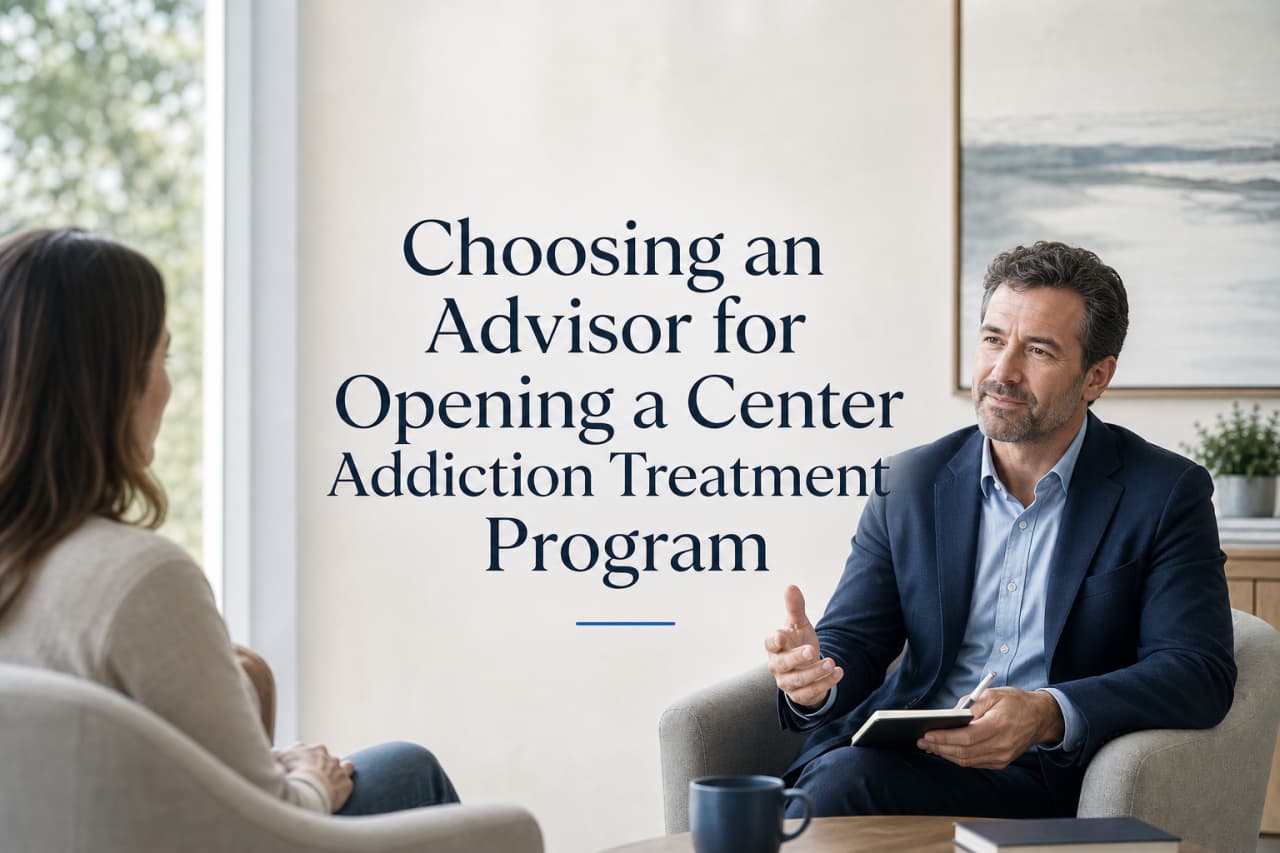
Hire an advisor who has already built and run a treatment program. Here's what to ask before you sign, what the engagement looks like, and what to bring to the first call.
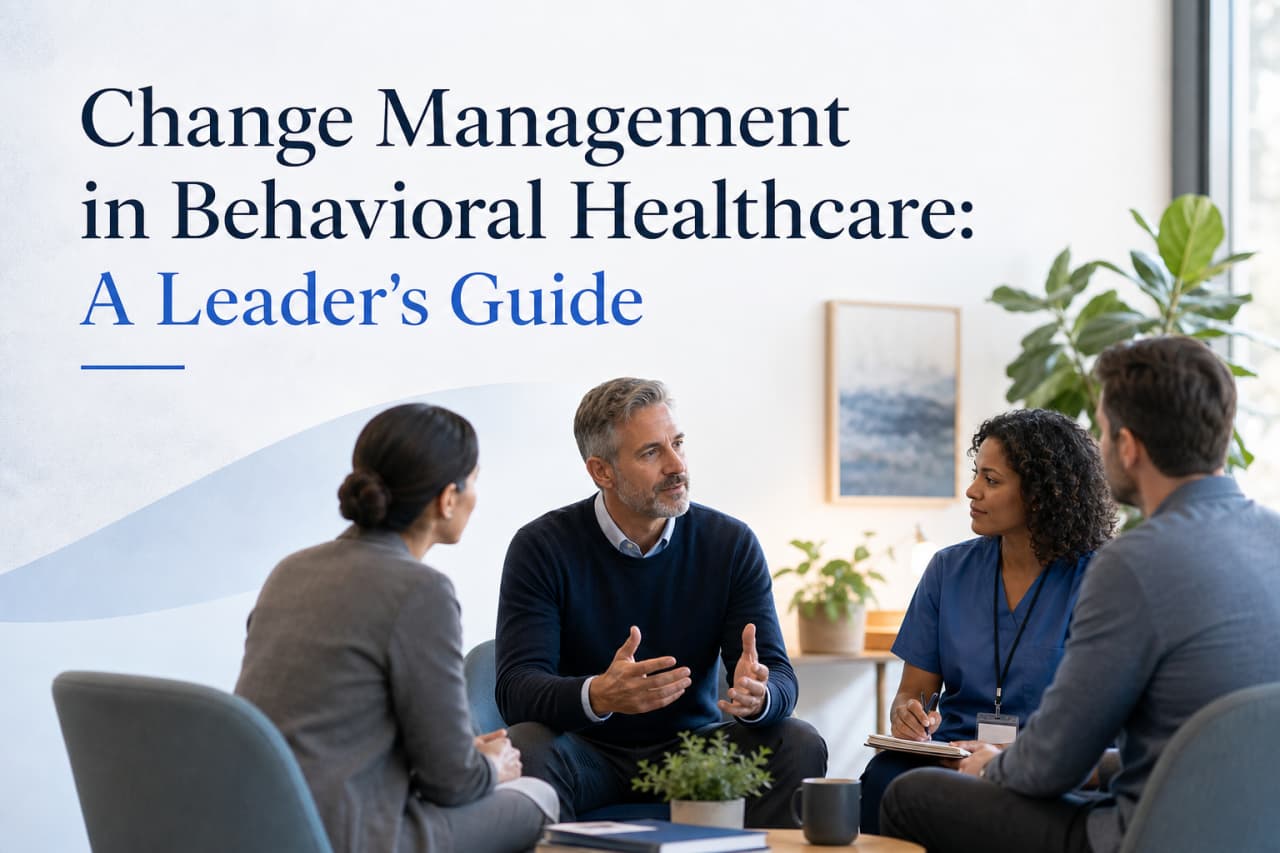
Acquisitions, leadership transitions, and clinical model shifts hit clinicians, admissions teams, and payers at the same moment.

Pacific Viking Consulting offers client-centered services. Reach out for a confidential consultation and see exactly how we'd apply these strategies to your facility.